Everything you need to know about using an eSIM in Morocco — coverage, pricing, activation, and which plan fits your trip.
If you're planning a Sahara desert excursion or a trek through the Atlas Mountains, one question comes up more than almost any other: will my phone actually work out there? The honest answer is: partly — and knowing where the gaps are matters more than knowing which eSIM to buy.
Coverage in Morocco follows population, not scenery. Cities, towns, and villages along main routes generally have signal. Once you're off those routes — deep in the dunes, high on a mountain trail, in a remote desert camp — coverage drops or disappears, regardless of which network or eSIM you're using. This isn't specific to eSIM technology; it's the same for physical SIMs and even satellite-dependent apps in some areas.
Towns like Merzouga and Zagora — reliable coverage, similar to any Moroccan town.
The drive out to desert camps — coverage typically holds for most of the route, then weakens or drops as you get further from the last town.
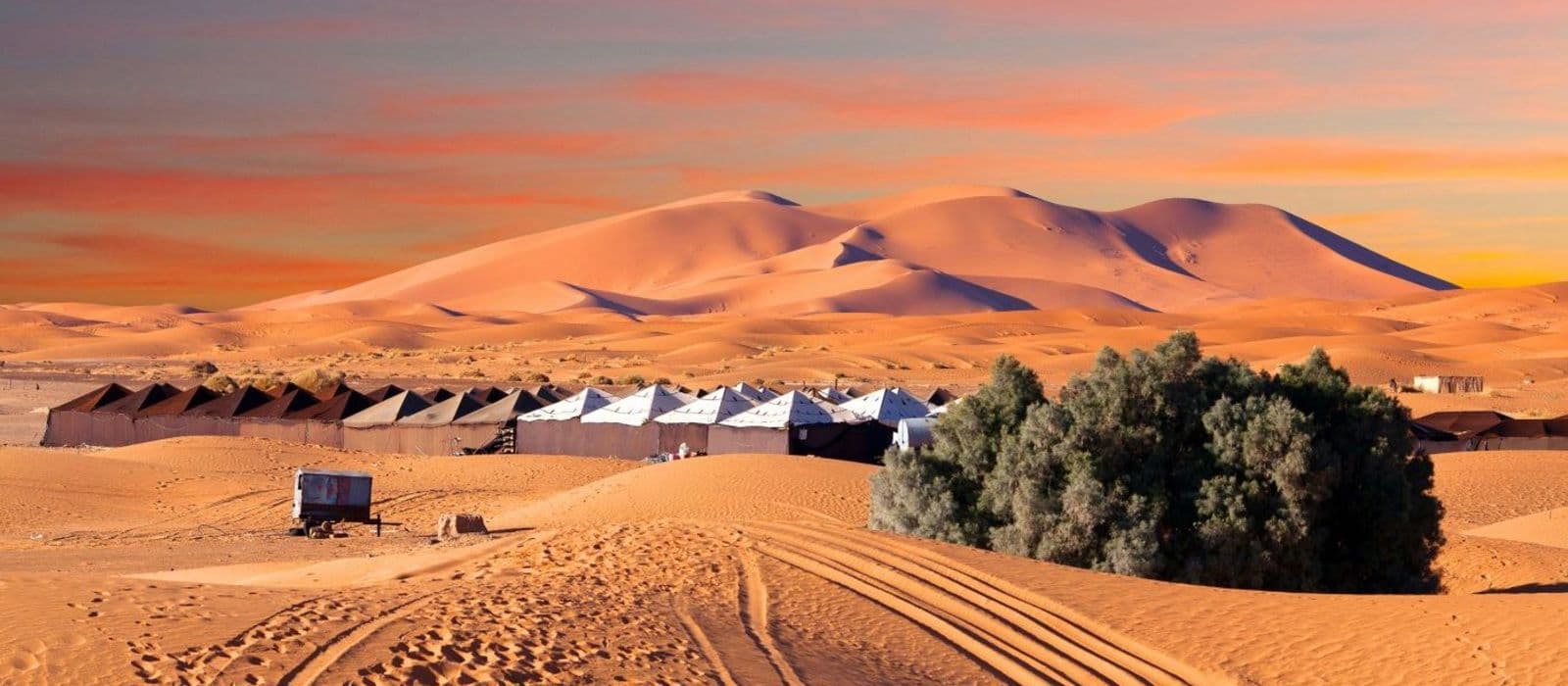
Overnight desert camps — most traditional camps have no signal at all. This is usually intentional — it's part of the experience — but worth knowing in advance if you need to be reachable.
Camel trekking / dune excursions — expect no signal once you're a significant distance from the last settlement.
If you're booking a desert tour, ask your operator directly whether the camp has any connectivity (some higher-end camps now offer Wi-Fi via satellite). If not, let people back home know you'll be offline for that stretch.
Imlil and other trailhead villages — decent coverage, comparable to smaller Moroccan towns.
Lower trekking routes toward Toubkal — coverage often continues for the first portion of the hike.
Higher elevation and remote trekking routes — coverage becomes unreliable to nonexistent, especially in valleys or behind ridgelines.
Mountain refuges/gîtes — some have Wi-Fi, most do not.
If you're doing a multi-day trek, treat connectivity as unavailable above the trailhead villages rather than hoping for occasional bars.
Download offline maps before you leave the last town with signal — this is the single most useful thing you can do, and it works regardless of connectivity.
Download anything you'll need offline — translated phrases, trekking route info, entertainment for the drive — while you still have a signal.
Tell your guide, driver, or accommodation that you'll be offline — this is completely normal in these regions and no one will be surprised by it.
Don't rely on real-time communication during these stretches — let travel companions or family know your plan in advance rather than expecting to check in along the way.
Save your eSIM data for towns and cities, not the gaps — your data will work exactly as expected the moment you're back in coverage, so there's no need to overthink the plan itself, just the moments you'll be without it.
An eSIM in Morocco works reliably everywhere the population does — cities, towns, main routes. The Sahara and high Atlas are genuinely remote, and no connectivity solution changes that. The right move isn't finding a workaround, it's planning for the gap: download what you need in advance, tell people you'll be quiet for a stretch, and let those stretches be part of what makes the trip feel remote in the first place.
Set up your Morocco eSIM before you go, so the only offline moments on your trip are the ones you chose.