
eSIM for Morocco: The Complete Guide (2026)
Everything you need to know about using an eSIM in Morocco — coverage, pricing, activation, and which plan fits your trip.
Morocco is one of the easiest countries in North Africa to stay connected in — but between physical SIM cards, roaming charges, and confusing local carrier options, it's easy to overcomplicate what should be simple. Here's what you actually need to know before your trip.
Why use an eSIM in Morocco instead of a physical SIM
Buying a physical SIM in Morocco means finding a shop, showing your passport, and often waiting in line — not ideal after a long flight. An eSIM activates before you even land: you install it over Wi-Fi at home or at the airport, and it's ready the moment you touch down. No swapping SIM trays, no losing your home number's SIM card, no language barrier at a phone shop counter.
Network coverage across Morocco
Morocco has strong 4G coverage in and around major cities and tourist areas — Marrakech, Casablanca, Rabat, Fes, Tangier, and Chefchaouen all have reliable coverage. Coverage gets patchier in more remote areas:
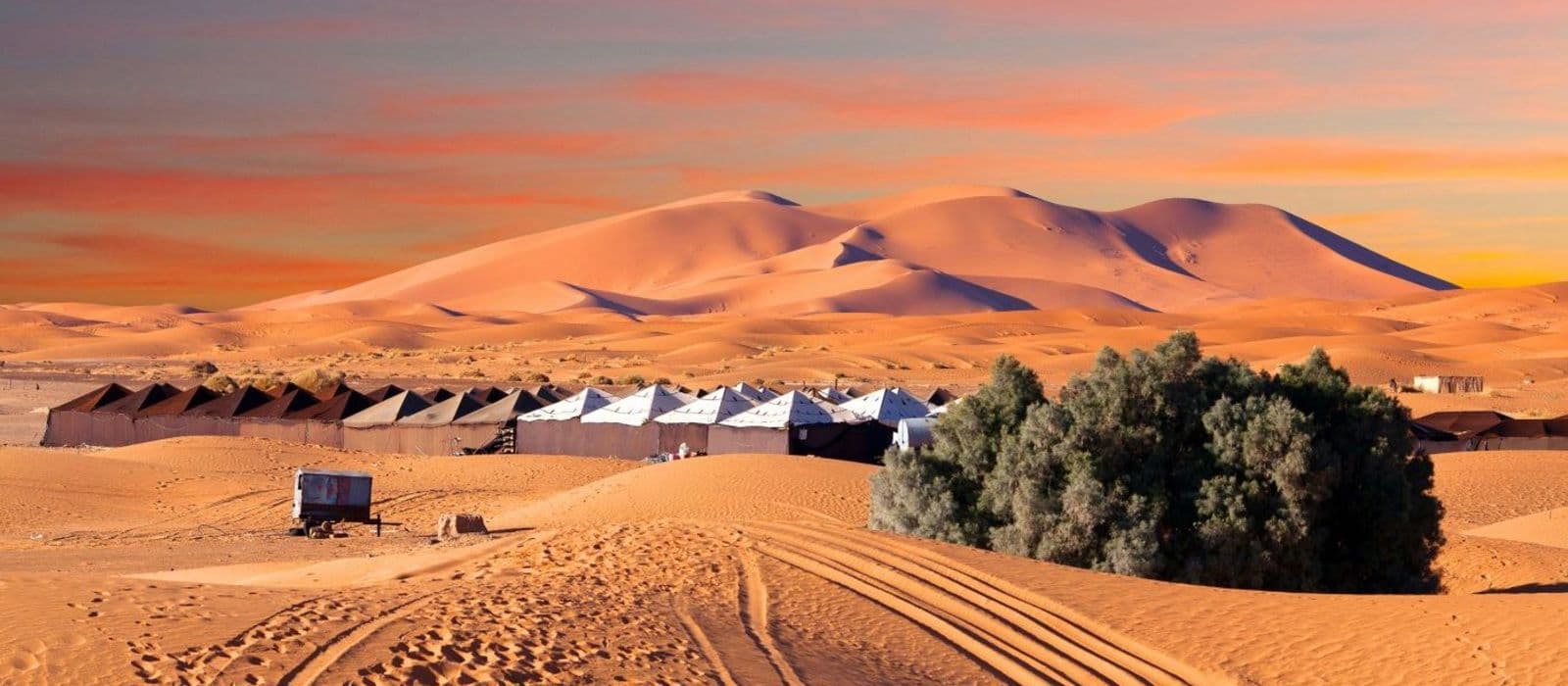
Sahara Desert excursions (Merzouga, Zagora) — coverage exists near towns but drops off significantly once you're out on desert tracks or staying at remote desert camps. Don't expect a signal deep in the dunes. Atlas Mountains (Imlil, Toubkal region) — coverage is decent in villages but weakens on higher trekking routes. Coastal towns (Essaouira, Agadir) — generally solid coverage.
If you're planning a Sahara or high-Atlas trip, download offline maps and let your accommodation know you may be unreachable for a stretch — don't rely on your eSIM for a signal in the deep desert.
How much data you'll need
This depends on your trip style — see our [full data usage guide] for a detailed breakdown — but as a rough starting point for Morocco specifically:
Short city trip (Marrakech, Fes, Casablanca — 4-7 days): 3-5 GB is usually comfortable for maps, messaging, and moderate social media use. Full circuit including Sahara/Atlas (10-14 days): 5-8 GB, accounting for more days and some data-heavy planning (route research, translation apps, photo uploads at hotel Wi-Fi vs. mobile data). Heavy streaming/video call users: size up to 10 GB+ or consider a plan with easy top-ups. Activating your eSIM before you land Purchase your plan and receive your QR code or activation details by email. Install the eSIM profile over Wi-Fi — this can be done days in advance, it won't activate data usage until you're in Morocco. Land, enable the eSIM line, and you're connected — no need to find a kiosk or SIM shop. Practical tips for staying connected in Morocco Save offline Google Maps for Marrakech, Fes, and any other city on your route — medina streets are narrow and GPS can lag, offline maps are more reliable than you'd expect. WhatsApp is the standard for communicating with riads, guides, and tour operators in Morocco — make sure it's working before you rely on it for check-in instructions. If you're doing a multi-day desert tour, tell your driver/guide in advance that you may be offline for part of the trip — most are used to this and plan accordingly. Public Wi-Fi in cafés and riads is common in Marrakech and Fes, so you can lean on that for anything data-heavy and save your eSIM data for when you're out exploring. Is Morocco eSIM-friendly?
Yes — Morocco's major carriers support eSIM-compatible networks, and coverage in tourist-heavy regions is reliable. The main thing to plan around isn't compatibility; it's terrain: cities and towns are well covered, remote desert and mountain routes are not, and that's true of any carrier, not just eSIM.
Ready to Stay Connected in Morocco?
Skip the SIM shop line and the passport paperwork — get set up before you even land.
Get your Morocco eSIM plan →
https://www.atlassesim.com/en/destinations/morocco
Prefer to browse and install in-app?
📱 Download on the App Store :
https://apps.apple.com/us/app/atlass-esim/id6783426038
🤖 Get it on Google Play :
https://play.google.com/store/apps/details?id=com.yassine_ri.atlasesim